
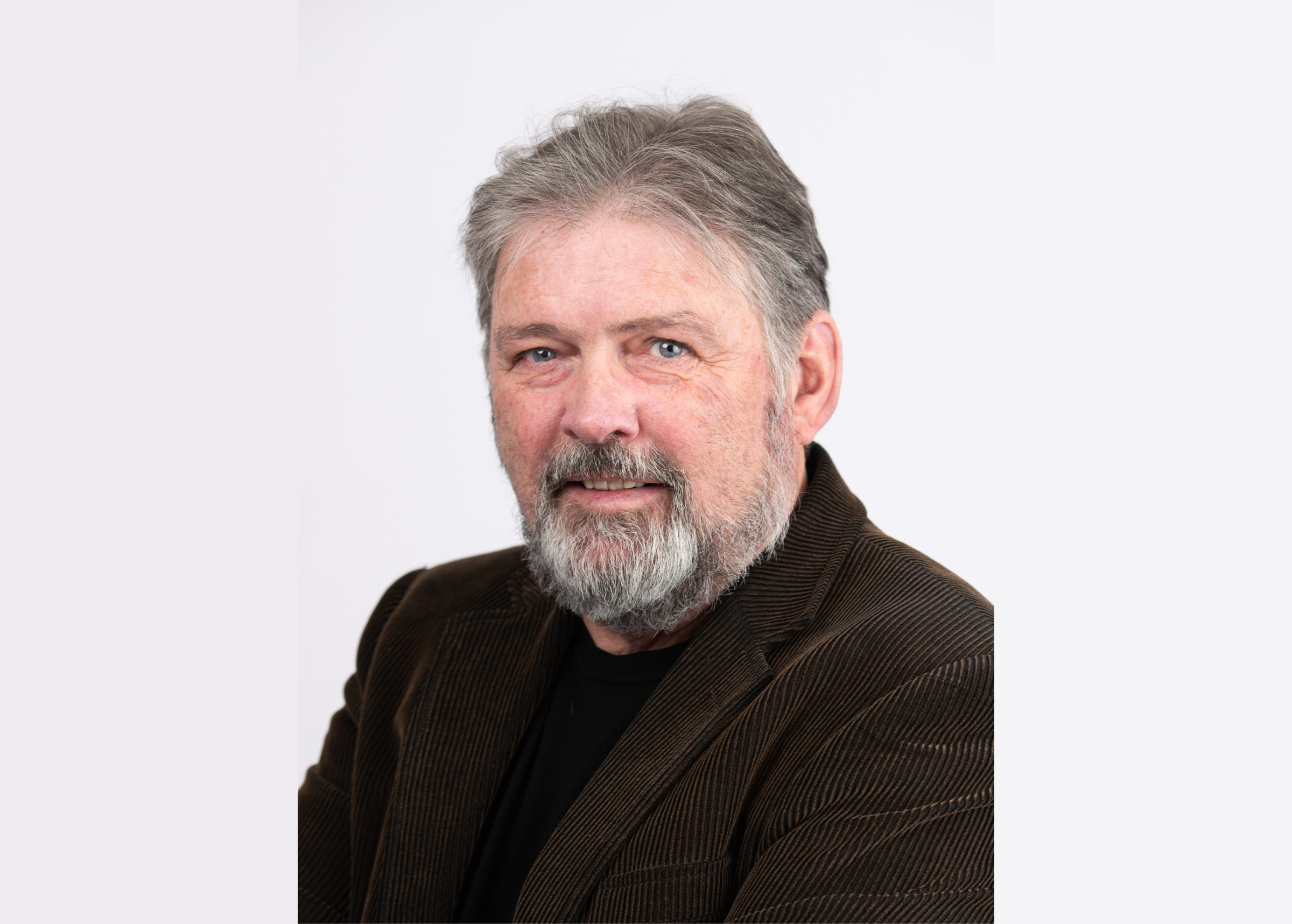
By Mike Drak, HomeEquity Bank Ambassador
Retirement today can be a long, deeply personal chapter, shaped as much by health, purpose, relationships, and mindset as by finances. For Canadians 55 and better, it may span 25 to 35 years, challenging the traditional “learn, earn, retire” model and requiring us to think differently about how we stay active, connected, and financially prepared. My own perspective has evolved with age and experience. Recent health challenges at 71 were an eye-opener, reminding me that longevity is not simply about adding years to life, but about preserving the strength, independence, and resources to live those years well.
How Is Longevity Changing Retirement in Canada?
Canadians are living longer than previous generations, which means retirement is no longer a short chapter at the end of life. It can require more planning, more resources, and, for some, longer working years.
The old learn-earn-retire model was created for a different world, when lifespans were shorter. Funding a retirement that may last as long as a career is difficult, especially if you want the freedom to enjoy it. For many people, longer lives may mean working longer, phasing into retirement, or finding new ways to support their lifestyle.
According to Statistics Canada, average life expectancy at birth in Canada is over 81 years, and Canadians who reach 65 can expect, on average, to live well into their mid-80s. Living longer is a gift, but it changes the retirement equation.
Why Does Staying Active Matter More Than Just Living Longer?
A longer life only matters if you are healthy enough to live it fully. Regular physical activity can help preserve strength, mobility, and independence later in life. Living longer is one thing. Living better is another.
For me, quality of life means being strong enough to drive, take long walks with my wife, play tag with my grandchildren, travel, have adventures, and remain independent in my own home. Research from the World Health Organization links regular physical activity with important health benefits. The “use it or lose it” principle applies to both body and mind.
Why Chronological Age Is Not the Best Measure of Aging
Chronological age tells you how many birthdays you have had. Biological age reflects how well you are actually aging. Lifestyle, environment, and mindset can shape how we age, often making the number on a birthday cake feel less meaningful.
I spend time with retirement rebels who act much younger than their chronological age. In their eighties, they still travel, ski, dance, and complete endurance events. I also know people in their forties who rarely move and could not do those things. Imagine being 80 and snorkelling in Cozumel while others your age are parked on the couch. Who would you rather be?
Genes matter, but they do not act alone. Diet, exercise, sleep, stress, financial security, purpose, social connection, and attitudes toward aging can all influence how we age. This is part of the growing field of epigenetics, which is changing how we understand longevity.
Can Healthy Habits Guarantee a Long Life?
Healthy habits can improve the odds of a longer, better life, but they cannot guarantee it. Longevity is governed by probabilities, not certainties, which is why it is important to live fully today.
That lesson came into focus while I was reading Younger Next Year by Chris Crowley and Henry S. Lodge, MD. Chris remained active into later life, while Henry died from prostate cancer at 58. Their different paths are a sobering reminder that doing the right things can improve the odds without controlling the outcome.
Planning for a Longer Life Means Planning Your Resources Differently
Living longer changes more than the health equation. It changes how we think about savings, our homes, and how we fund the life we want in our seventies, eighties, and beyond.
For many Canadians 55 and better, the home they have spent decades building is one of their most significant resources. Options such as the CHIP Reverse Mortgage from HomeEquity Bank can help eligible homeowners access up to 55%* of their home’s value in tax-free cash without having to move or sell. That money can support travel, health needs, an active lifestyle, or the ability to remain in the home you love.
Longevity is not simply something to survive. It is something to plan for.
*Some conditions apply. The CHIP Reverse Mortgage is available to Canadian homeowners 55 and better.
The Bottom Line
Longevity means little if poor health prevents us from living fully. Physical and mental change are inevitable, but we can take steps to preserve function, build resilience, stay connected, and prepare our finances for a longer life. My advice is simple: refuse to grow old before your time. See you at the gym!
Frequently Asked Questions
How long should Canadians plan for retirement today?
Consider the possibility of a 25- to 35-year retirement and plan resources accordingly.
Is 65 still a realistic retirement age in Canada?
It can be, but the right timing depends on your health, finances, and goals.
Does staying physically active really matter?
Yes. It supports health, mobility, and independence.
What is the difference between chronological and biological age?
Chronological age counts years; biological age reflects how the body is aging.
How can home equity support a longer retirement?
Eligible homeowners can use home equity to fund lifestyle and health needs or reduce financial pressure.